Between work, school pickups, and family plans, getting an eye exam on the calendar can feel like an accomplishment. Remembering everything you wanted to ask? That’s another matter.
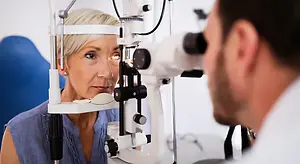
At Blue Valley Vision of Overland Park, we make room for an unhurried conversation and clear explanations. A comprehensive eye exam in Overland Park is about more than updating a prescription. It’s a chance to connect your everyday experiences with your long-term eye health.
To prepare for your eye exam, jot down a few notes about these three things.
1. Share Your Everyday Visual Demands
Walk us through an ordinary day. Are you switching between monitors, reading small print, driving after dark, or helping with homework? Tell us which tasks take extra effort. For a child’s visit, bring observations from home or school.
Bring your current glasses and explain what works and what doesn’t. “I lean toward my screen to read” is useful information. Mention your usual screen distance and whether you switch between glasses and contacts.
Your exam findings and daily activities help guide your prescription and lens options. Depending on your needs, we may discuss computer lenses, progressive lenses for different distances, or anti-reflective coatings. The goal is eyewear chosen for your routine, preferences, and budget.
2. Describe Changes in Eye Comfort
Mention burning, grittiness, watering, headaches, or blur that comes and goes. Note when symptoms started, whether one or both eyes are affected, and what seems to bring them on. Include contact lens discomfort and any drops you use.
These details can help guide a closer look at your tears and eyelids. Persistent discomfort may call for further assessment through our Dry Eye Center. New glasses aren’t automatically the answer.
New flashes, a sudden increase in floaters, or a curtain across your vision need immediate eye care, not a routine appointment.
3. Update Your Medical and Family History
Share new diagnoses, past eye injuries or surgery, and a current list of medications and supplements. Include conditions such as diabetes or high blood pressure, even when they seem unrelated to your eyes.
Also mention relatives with glaucoma, macular degeneration, or other eye conditions. You don’t need every detail; knowing which relative was affected is a helpful start.
Your history helps put exam findings in context. Some eye diseases develop without noticeable early symptoms, so feeling fine doesn’t tell the whole story. Together with your exam findings, this information can guide additional assessment or a shorter interval before your next visit.
How the Conversation Shapes Your Care
After the exam, we’ll talk through what we found and why it matters. That might mean updating your prescription, keeping your current glasses, arranging additional testing, or recommending treatment.
We’ll also discuss when to return. Follow-up depends on your findings and risk factors, not just whether your prescription changed. Before you leave, ask, “What should I watch for, and when should I contact you?”
You’re welcome to ask us to explain a recommendation again or talk through how a plan fits your day.
Make Time for Your Eyes This October
This October, request an appointment at Blue Valley Vision of Overland Park in Overland Park. Visit our locations page, choose your preferred office, and use the Schedule Appointment option. Bring your questions; we’ll take it from there.
Between visits, try one simple screen habit: every 20 minutes, look about 20 feet away for 20 seconds. Think of the 20-20-20 rule as a brief pause for your eyes, not a replacement for an exam or follow-up.